



02.05.2026 | Buying
10 Questions Every Buyer Should Ask Before Making an Offer on a Home

Buying a home is one of the most exciting and significant decisions you’ll make in life. Whether you’re a first‑time buyer or looking to move to your next home, understanding the property, the market and your own priorities before you make an offer can make all the difference. As your trusted real estate advisors, The David Bradica Team is here to guide you through every step of the journey. One of the most important parts of that process is asking the right questions before you sign on the dotted line.
In any housing market, you need more than just enthusiasm. You need clarity, confidence and insight. Asking thoughtful questions not only helps you avoid costly surprises, it also helps you make stronger, smarter offers that align with your goals and your budget. Here’s what every buyer should be asking before making an offer.
1. What’s Included in the Sale?
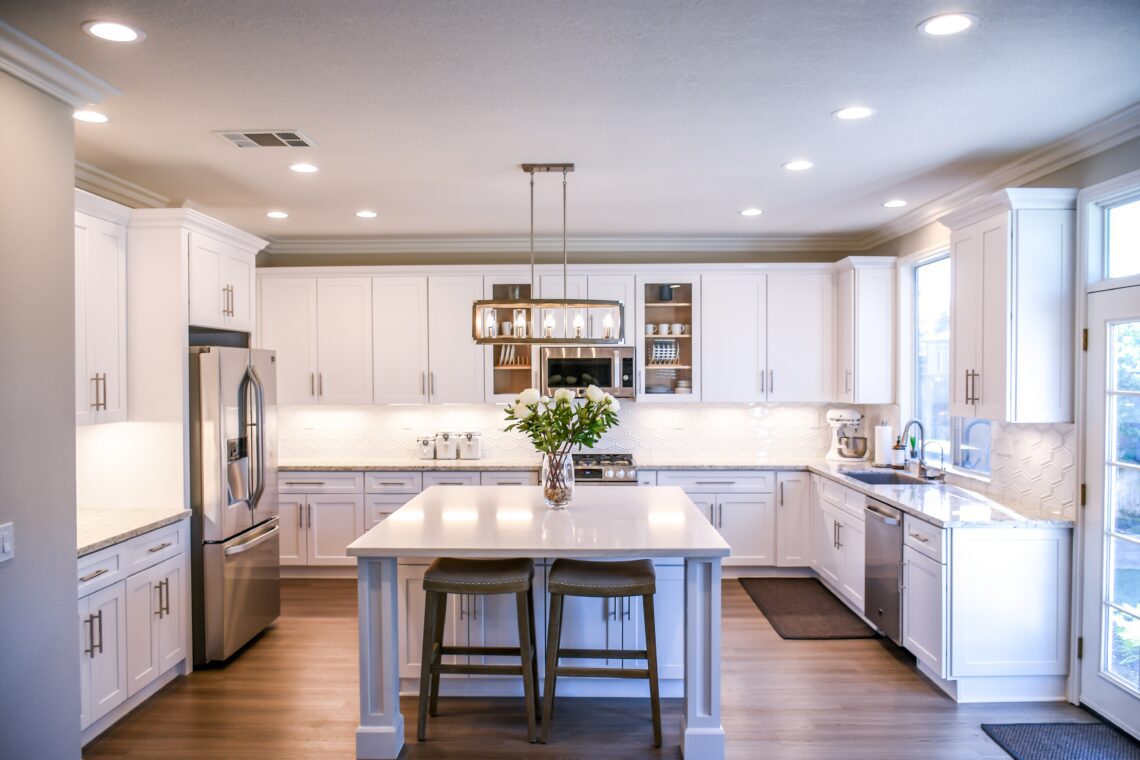
It may seem straightforward, but not everything you see during a home tour automatically comes with the property. Appliances, window coverings, light fixtures, built‑in shelves and even outdoor features can sometimes be excluded from the sale. Confirming exactly what stays and what goes helps you avoid disappointment on closing day and ensures your offer reflects what you truly want.
2. How Long Has the Property Been on the Market?
Understanding how long a home has been listed gives you insight into the seller’s motivation and the property’s appeal. A home that has been on the market for an extended period might indicate overpricing or issues that have deterred other buyers. Conversely, a freshly listed property with lots of interest may require a more competitive offer to stand out.
3. Are There Other Offers Already?
If there’s already buyer interest or competing offers, you’ll want to know that before submitting your offer. While sellers and listing agents aren’t always obligated to disclose details, having this knowledge—through your agent—can help you decide how strong your initial offer should be. It also helps you set realistic expectations about how fast you need to move.
4. Why Is the Seller Moving?
Understanding a seller’s motivation can give you valuable negotiating leverage. Are they relocating for work? Downsizing? Waiting to close on another property? If the seller needs a quick closing, they may be more flexible on price or terms. If they have time, they may hold firm on their asking price. This kind of context helps you shape your offer for success.
5. What’s the Neighbourhood Really Like?
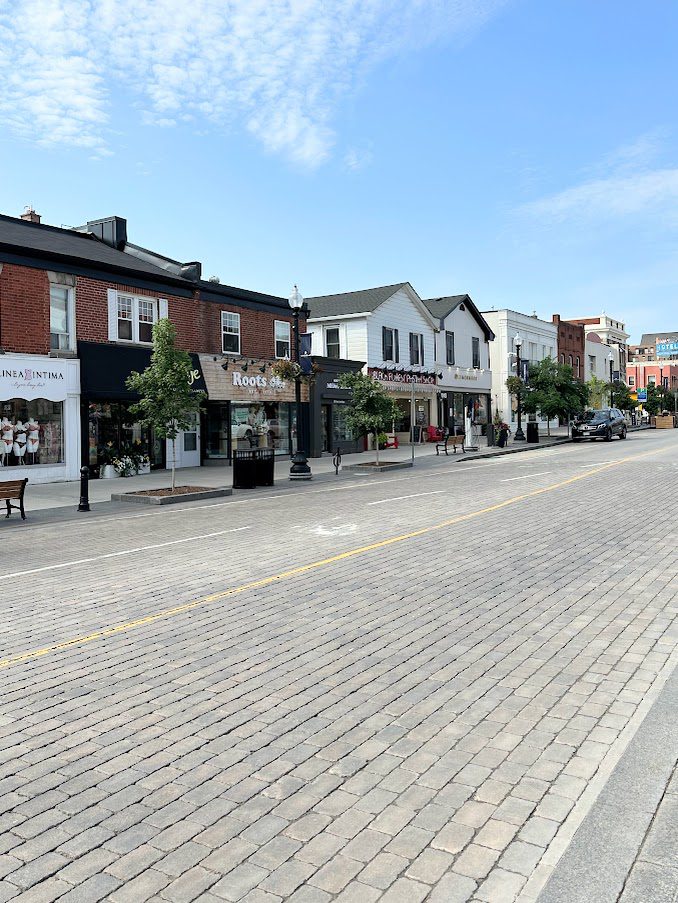
Great homes in great locations are more than a dream—they’re a foundation for your lifestyle and your long‑term investment. Ask about noise levels, school options, traffic patterns and future development plans in the area. Visiting at different times of day and talking to neighbours can reveal truths that a listing photo never will.
6. What Are the Average Utility Costs and Taxes?
Your mortgage payment is just one part of the total cost of homeownership. Property taxes, utility bills and any condo fees (if applicable) can significantly impact your monthly budget. Ask for past utility statements and tax information so you can anticipate ongoing expenses before you commit.
7. How Old Are the Major Systems?
Roofs, furnaces, water heaters and HVAC systems don’t last forever. Knowing the age and condition of these essentials helps you gauge future maintenance costs. Some sellers may even provide inspection reports or maintenance records. If not, your home inspection will be critical in revealing any potential issues.
8. Has There Been Any Recent Renovation or Repair Work?
Renovations can add value—and sometimes risk—depending on how they were done. Ask for documentation and permits (where applicable) for any major upgrades or repairs. Unpermitted work can lead to complications or unexpected costs down the road, so it’s always best to be thorough.
9. What Conditions Should You Include?
Conditions in your offer are there to protect you. Common ones include financing approval, home inspection and appraisal conditions. In a highly competitive market, some buyers waive certain conditions to make their offer more attractive. That strategy can work, but it also comes with risk. A local real estate expert can help you decide which conditions are essential and which are optional based on your situation.
10. How Does This Home Compare to Recent Sales?
Your agent should provide comparable sales (comps) in the neighbourhood so you understand what similar homes have sold for recently. This data helps you determine whether the asking price is fair and guides your offer strategy. Without this crucial context, you could overpay—or miss an opportunity to secure a great value.
Buying a home is more than finding a space you love. It’s making a sound financial decision that fits your lifestyle now—and into the future. Asking these questions before making an offer empowers you to make informed choices, negotiate with confidence and avoid costly surprises.
If you’re planning to buy in the next six months, now is the perfect time to get your questions in order and work with a team who knows the market inside out. At The David Bradica Team, we’re committed to guiding you with clarity, honesty and expertise at every step.
Ready to start your home buying journey? Contact us today.